
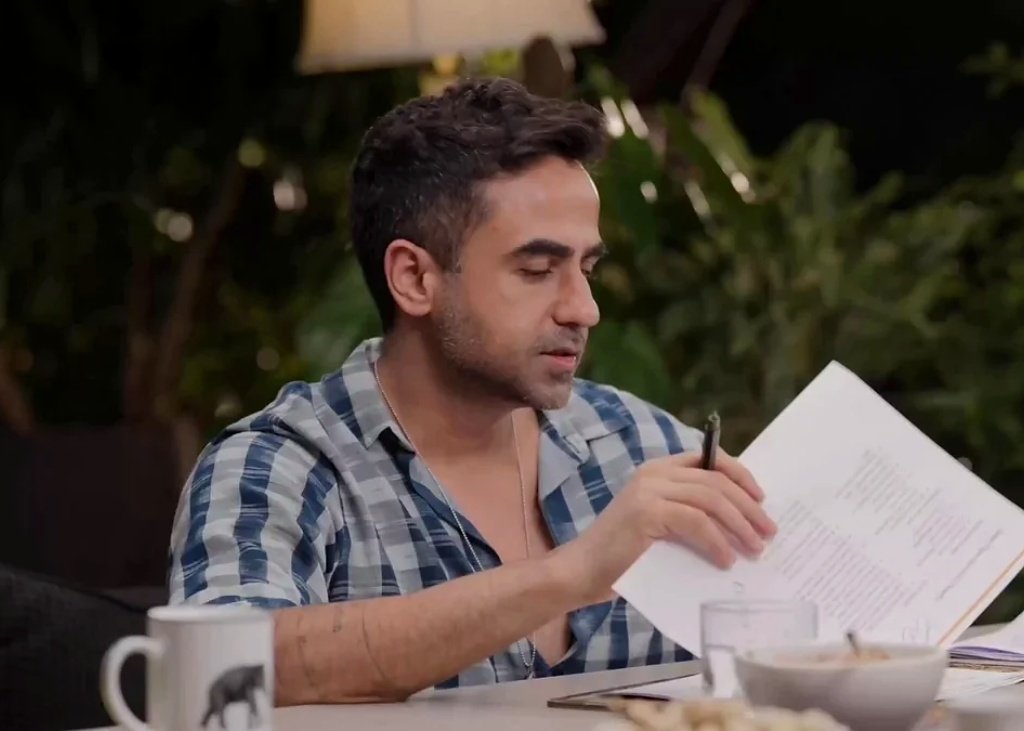
The Unconventional Rise of the Kamath Brothers and India’s Best No-Bullshit Business Podcast
In an Indian startup ecosystem obsessed with relentless cash burn, venture capital funding, and aggressive marketing, Zerodha is a glaring anomaly. It is India’s largest stockbroker, highly profitable, entirely bootstrapped, and built by two brothers who never bothered to collect Ivy League degrees.
Nithin and Nikhil Kamath have rewritten the rules of Indian wealth generation. Today, while Nithin steers the multi-billion-dollar brokerage, his younger brother Nikhil has conquered the digital media space with “WTF is” a podcast that has systematically dismantled the traditional, fluff-filled influencer interview format.
The Backstory: Call Centers, Chess, and Blown Accounts
The Kamath brothers grew up in a middle-class Konkani household; their father was a bank executive and their mother taught the veena. Their path to billionaire status was paved with academic dropouts and early failures.
Nithin began trading at 17. He enrolled in an engineering program at the Bangalore Institute of Technology but ultimately dropped out. When the markets crashed in 2001, he blew up his trading account, losing a significant amount of borrowed money. To rebuild his capital, he spent three to four years working night shifts at a call center, trading the Indian markets during the day.
Nikhil’s trajectory was even more unconventional. He dropped out of school entirely after the 10th grade. A former national-level chess player, Nikhil applied his analytical skills to trading, initially selling used phones and later joining a call center at age 17 just to get by. By his late teens, he was managing money for his call center manager and colleagues, eventually teaming up with his brother.
The Zerodha Revolution: Zero Debt, Zero Ads
In 2010, the brothers launched Zerodha (combining “Zero” and the Sanskrit word “Rodha,” meaning barrier). At the time, traditional brokerages charged percentage-based fees, eating heavily into traders’ margins. Zerodha introduced a flat-fee discount model: zero brokerage on equity delivery and a flat ₹20 for intraday and F&O trades.
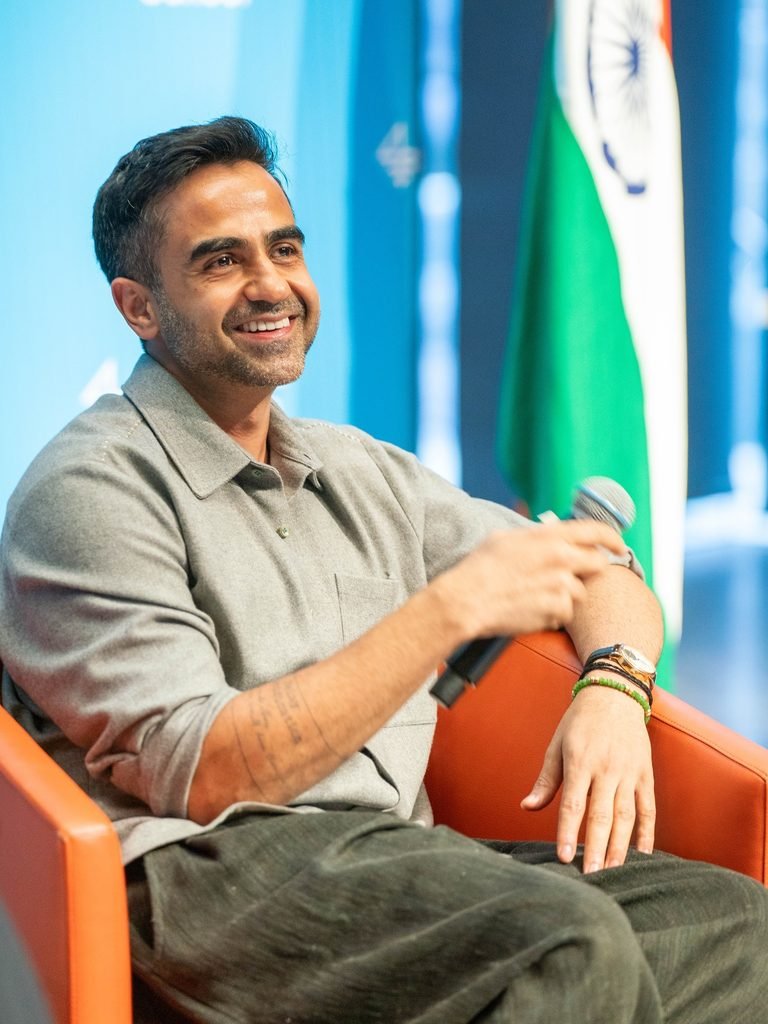
They did not raise venture capital. They did not run television ads. Instead, they focused on building a superior tech platform (Zerodha Kite) and educating users through their Varsity initiative. By letting the product speak for itself, they captured millions of retail investors, turning a bootstrapped startup into an empire valued at over $3 billion, with annual profits rivaling legacy financial institutions.
Nikhil Kamath’s Pivot: The “WTF is” Podcast
With Zerodha running smoothly under a seasoned leadership team, Nikhil Kamath turned his attention to media, launching the “WTF is” podcast. In a saturated market of self-help gurus and generic business interviews, Nikhil’s show immediately stood out.
Instead of operating as a traditional interviewer, Nikhil acts as a peer. He has the actual operational experience, net worth, and market understanding to push back on his guests, resulting in raw, high-stakes conversations that bypass standard corporate PR.
Why “WTF is” Dominates the Indian Podcast Scene
The show has become the definitive business podcast in India for several distinct reasons:
- The Living Room Mastermind Format: Instead of standard one-on-one interviews, Nikhil curates panels of experts – often bringing together rival founders, industry veterans, and tech billionaires in his own living room. They share wine, eat takeout, and debate deeply technical subjects like AI, renewable energy, and the creator economy in a remarkably casual setting.
- An Unprecedented Guest List: Because Nikhil is a peer to the global elite, he pulls guests that standard podcasters cannot access. His lineup has featured global titans like Bill Gates and Ted Sarandos, top Indian founders like Kiran Mazumdar-Shaw and Sunil Mittal, and even high-level political figures.
- The WTF Fund: The podcast is not designed to monetize viewers. Instead, Nikhil actively gives away money. At the end of many episodes, the guests and Nikhil pool their own capital to fund charities or early-stage entrepreneurs chosen by the audience, turning the podcast into an active engine for philanthropy and seed funding.
- Data over Platitudes: When discussing topics like real estate versus equity, or the future of Indian fashion, Nikhil brings research teams to back up the conversation with hard data. There is no generic motivational speaking – just ruthless, practical analysis on how money actually moves.
Frequently Asked Questions (FAQs)
- Who exactly owns Zerodha?
Zerodha is completely bootstrapped and owned by its founders, brothers Nithin Kamath and Nikhil Kamath. Nithin serves as the CEO, while Nikhil handles the financial strategies and runs his own media ventures. - What makes the “WTF is” podcast different from others?
Unlike standard influencer podcasts, Nikhil Kamath speaks from the perspective of a billionaire founder. The show focuses on raw, data-backed, and unfiltered conversations about business, tech, and wealth with world leaders and top-tier executives. - Did the Kamath brothers go to top business schools?
No. Nithin Kamath dropped out of his engineering program, and Nikhil Kamath dropped out of school entirely after the 10th grade. They built their financial knowledge through years of hands-on trading and self-education. - Has Zerodha ever raised venture capital?
Zerodha is famous in the Indian startup ecosystem for being a zero-debt, highly profitable unicorn that has never raised any external venture capital or private equity funding. - Where can I watch Nikhil Kamath’s podcast?
The “WTF is” podcast is available in full video format on Nikhil Kamath’s official YouTube channel, and as an audio show on Spotify, Apple Podcasts, and other major streaming platforms.
