
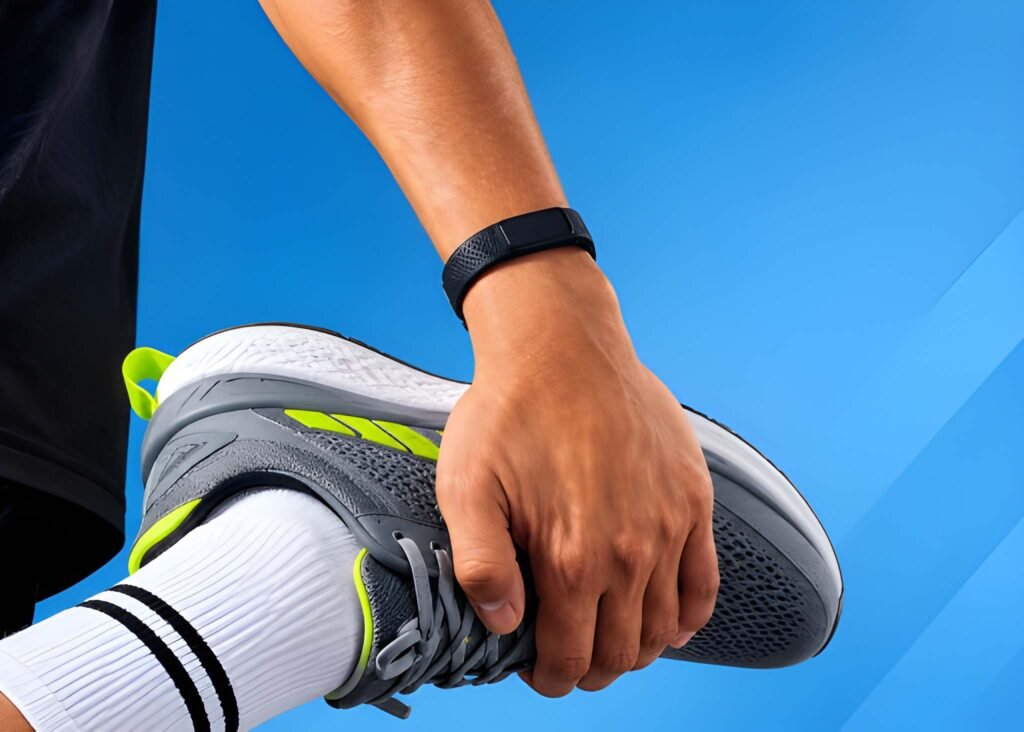
The Ultimate Showdown: WHOOP 4.0 vs. Google Fitbit
The era of basic step counters is dead. Today, fitness wearables act as personal bio-analysts, and two titans are leading the charge: WHOOP and Google Fitbit. Whether you are chasing peak athletic performance or just trying to navigate everyday wellness without screen fatigue, deciding between the WHOOP 4.0 and Google’s latest Fitbit lineup comes down to what you want to measure – and how you prefer to pay for it.
WHOOP 4.0: The Athlete’s Command Center
If you treat your body like a high-performance engine, WHOOP 4.0 is your telemetry system. It is a screenless wearable designed to eliminate distractions, packing sensors that capture data continuously. WHOOP focuses obsessively on daily strain, sleep debt, and recovery. A major flex for the 4.0 model is its durable waterproof design and a battery pack that slides directly onto the band, meaning the device literally never has to leave your wrist.
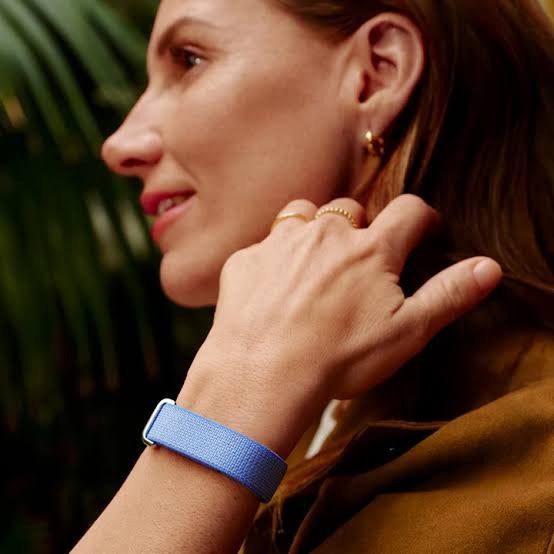
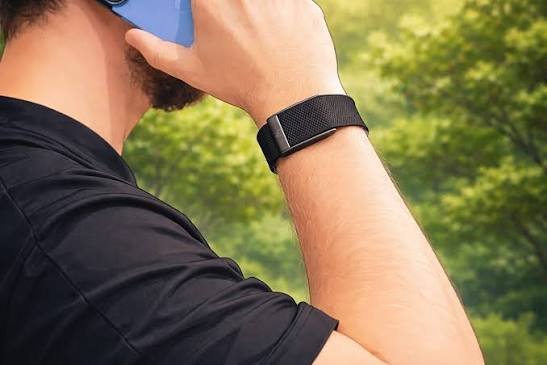
Google Fitbit: Smart Features and Everyday Wellness
Google has streamlined its Fitbit strategy with compelling trackers and smartwatches. Devices like the Fitbit Charge 6 and the advanced Fitbit Sense 2 offer a screen-based alternative to WHOOP’s minimalist ethos. The Charge 6 boasts up to seven days of battery life and simplified, actionable sleep insights in a sleek band. For those who want a premium smartwatch experience, the Sense 2 features a colorful touchscreen, built-in GPS, an ECG app, and an EDA sensor for continuous stress monitoring.
The Pricing Divide
The financial commitment is where these two ecosystems wildly diverge. A Fitbit requires an upfront hardware purchase, with the option to pay for Fitbit Premium if you want deeper coaching, sleep profiles, and advanced data analytics. WHOOP, conversely, is exclusively subscription-based. The hardware is included for free, but accessing your data requires an ongoing monthly or annual membership.
Frequently Asked Questions
Q1. Does the WHOOP 4.0 have a screen?
No, WHOOP 4.0 is completely screenless to eliminate distractions. It feeds all of your recovery, sleep, and strain metrics directly to the app on your smartphone.
Q2. What are the newest Fitbit models available?
Google’s current lineup features several popular models, including the advanced Fitbit Sense 2 smartwatch, the versatile Versa 4, and the sleek Fitbit Charge 6 fitness tracker.
Q3. Which fitness tracker has better battery life?
The WHOOP 4.0 lasts up to 5 days on a single charge. Fitbit devices vary by model, but trackers like the Fitbit Charge 6 can last up to 7 days depending on GPS and always-on display usage.
Q4. Do I need a subscription to use these devices?
WHOOP requires an active subscription (monthly or annual) for the device to function. Fitbit devices work perfectly without a subscription out of the box, though advanced insights require an optional Fitbit Premium membership.
Q5. Can these trackers monitor heart health and stress?
Yes. Both platforms excel at heart rate tracking. The Fitbit Sense 2 includes an ECG app for detecting rhythm irregularities and an EDA scan for stress. WHOOP tracks heart rate variability (HRV), resting heart rate, and skin temperature to comprehensively gauge your body’s stress and daily recovery.
