
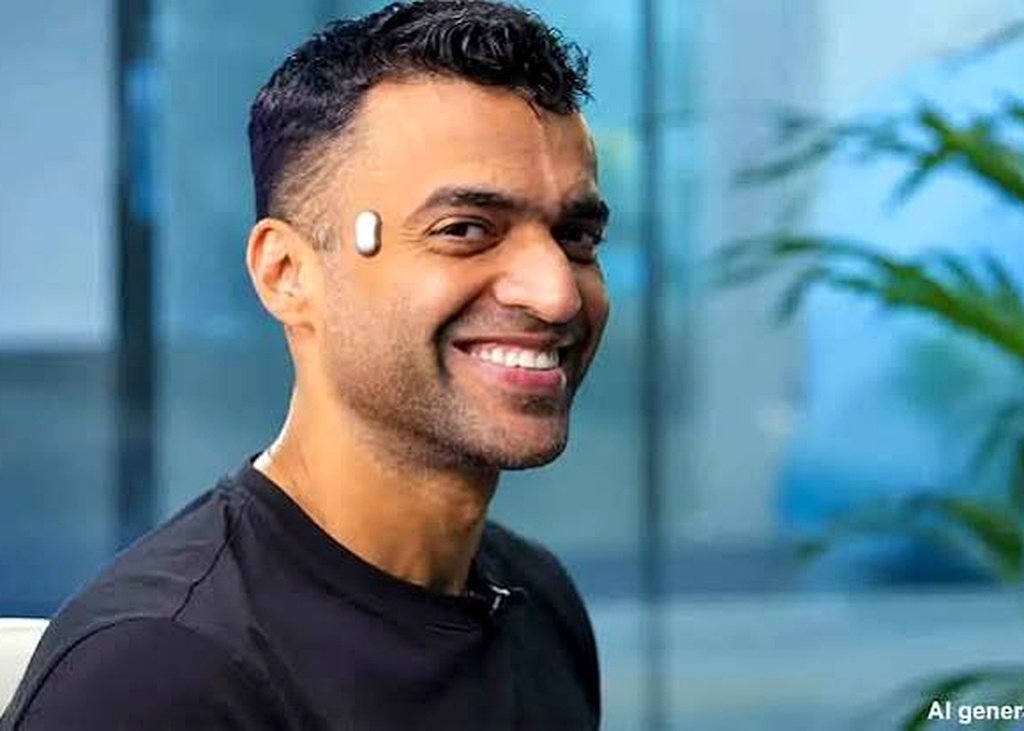
Temple: Deepinder Goyal’s ₹85,000 Brain-Tracking Wearable Taking Over the Elite Circle
The wearable tech market just took a massive, experimental leap from our wrists directly to our heads. Spearheaded by Zomato founder Deepinder Goyal, a new health-tech startup has officially launched Temple—a premium, pill-shaped wearable designed to stick to the side of your forehead.
With pre-orders officially opening on November 1, 2026, Temple is already generating massive buzz. But what exactly does this device do, why is it so expensive, and why are we only seeing a select few celebrities and tech elites wearing it? Here is a deep dive for GadgetNewz readers into the most ambitious wearable of 2026.
What Does the Temple Wearable Claim to Do?
Unlike standard smartwatches or fitness rings that track your steps and basic heart rate, Temple bypasses the wrist entirely to focus on your brain.
Using advanced optical sensors (photoplethysmography), the screenless device tracks physiological signals associated with brain activity. The core of its technology is a metric the company calls BrainFlow, which continuously monitors changes in cerebral blood flow and oxygenation.
By analyzing this blood flow to the brain, Temple calculates an “Entropy Score” ranging from 1 to 250. Rather than simply logging calories, this score acts as a real-time proxy for physiological strain and mental exhaustion. It tells you exactly how your body and brain are reacting to acute stress, intense exercise, lack of sleep, or even that extra cup of coffee, helping you “listen to your body” on a neurological level.
The Staggering Price Tag of the Base Version
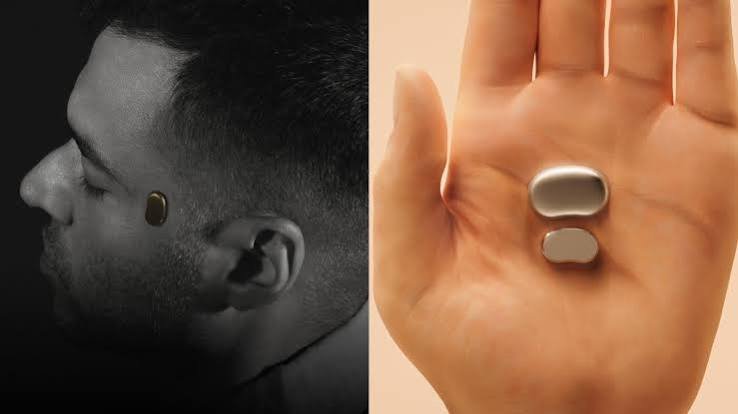
If you want to track your cranial hemodynamics, you will have to pay a serious premium. The Temple wearable (Batch 01) launched in India with a staggering base price of ₹85,000.
While this price does include a lifetime app subscription for early adopters, it is significantly more expensive than premium wrist-worn competitors like the Apple Watch Ultra 2 or the Whoop 4.0. Furthermore, because Temple attaches to the side of the head using disposable medical adhesive bands called “grips,” users will eventually face recurring costs to replenish these adhesive patches.
Why Are Only Celebrities and a Limited Few Wearing It?
If you’ve spotted Indian cricketer Shubman Gill wearing a futuristic little node on his temple during practice, you’ve seen the gadget in action. But why is the user base currently so limited?
- Made-to-Order Exclusivity: Temple is not mass-produced and sitting on retail shelves. As part of its hyper-premium approach, the device follows a strict made-to-order manufacturing process. Each unit is individually calibrated and developed only after an order is placed, with deliveries taking around three months.
- Targeting the Bio-Hacker Niche: This isn’t a casual fitness tracker. It targets early bio-hackers, tech executives, and elite athletes who want to optimize their mental load and recovery, making it an expensive “vanity metric” for the ultra-wealthy.
- Social Conspicuousness: Wearing a gadget on your face is a bold statement. While smart rings hide on fingers and smartwatches blend into business attire, a gold or titanium pod stuck to your forehead is highly visible, restricting its appeal to those comfortable with making a bold aesthetic and technological statement.
FAQs
Q1. Who created the Temple wearable? A. Temple was developed by a health-tech initiative founded in 2024 by Zomato CEO Deepinder Goyal and Ram Singla.
Q2. Does the Temple device track my thoughts like an EEG? A. No. Temple is not a conventional brain-scanning device and cannot read electrical brain activity or thoughts. It uses optical sensors to measure blood flow and oxygenation changes in the brain.
Q3. How do you wear the Temple device? A. The pill-shaped, screenless device is worn on the side of the head (near the temple) using disposable adhesive strips known as “grips.”
Q4. Can I wear Temple at the airport without setting off alarms? A. Yes. Deepinder Goyal recently confirmed that the materials used in the Temple wearable do not contain enough magnetic or conductive metals to trigger standard airport security metal detectors.
Q5. Where can I read more reviews and news on futuristic wearables? A. For ongoing coverage on Temple’s real-world performance, upcoming tech releases, and in-depth wearable comparisons, keep checking back at GadgetNewz.
